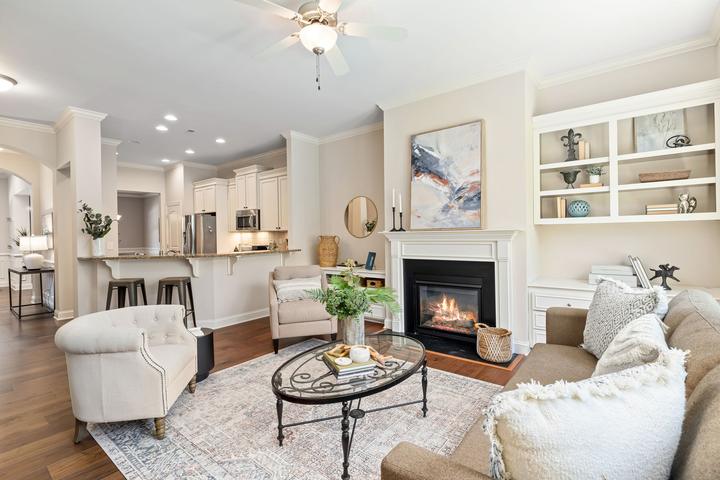
Wood burning fireplaces can be unhealthy because wood smoke is a mix of fine particles and toxic gases. The EPA names benzene, formaldehyde and acrolein in that smoke and calls the fine particles the biggest health threat. Dry wood, a hot fire, closed doors and a fireplace that draws well keep exposure low.
What is actually in wood smoke
The EPA's Burn Wise pages describe wood smoke as a complex mixture of gases and fine particles, also called PM2.5. Besides the particles, the smoke contains several toxic air pollutants, and the EPA lists benzene, formaldehyde, acrolein and polycyclic aromatic hydrocarbons.
The fine particles are the main health concern. The EPA says these microscopic particles reach the eyes and respiratory system, where they can cause burning eyes, a runny nose and illnesses such as bronchitis. The same page says the more efficiently wood burns, the less smoke is made.
Who is affected most
Wood smoke can affect everyone, but the EPA names groups at greater risk. They include children, teenagers and older adults, people with lung disease such as asthma or COPD, and people with heart disease. Fine particles can make asthma symptoms worse and can trigger an asthma attack.
The EPA's best practices page names gas among the cleaner options for anyone upgrading an old wood burning device.
Smoke in the room is the warning sign
The EPA puts it simply. A properly installed and correctly used wood burning appliance should generate very little smoke, and if you regularly see or smell smoke you may have a problem.
Brick Industry Association Technical Note 19A shows why. Its fireplaces rely on a tight-fitting damper, a properly built smoke chamber and a controlled air supply, and it warns that an air surge can force smoke and gases into the room. The Florida Building Code requires a damper that can be operated from the room (R1001.7.1) and an exterior air supply for factory-built and masonry fireplaces unless the room is mechanically ventilated and kept neutral or positive in pressure (R1006.1).
Burning habits that keep smoke down
The EPA's best wood burning practices and Superior's manual for an outdoor wood burning fireplace agree on the basics.
Burn only dry, split, well-seasoned wood. The EPA says to season it at least six months, stored outdoors, off the ground, with only the top covered.
Test firewood with a moisture meter before it goes in the fire.
Build a hot fire. For most appliances, the EPA says a smoldering fire is neither safe nor efficient.
Keep the doors of a wood burning appliance closed unless you are loading or stoking, because carbon monoxide can be released into your home.
Use only newspaper, dry kindling or natural fire starters. Never use gasoline, kerosene or charcoal starter.
Check the local air quality forecast before you burn.
What should never go in the fire
The EPA lists materials that release toxic or harmful chemicals when burned and may damage the appliance. That list includes household trash and cardboard, plastics and foam, coated, painted or pressure-treated wood, driftwood, plywood, particle board, glued wood, and wet, rotted or moldy wood.
Superior's manual for an outdoor wood burning fireplace adds that wood products made with synthetic binders, such as plywood, make abnormally high temperatures and sputtering, smoking fires, and that softwoods tend to burn very quickly. Dry, well-seasoned hardwood is the best fuel it names.
Carbon monoxide and the smoke alarm
The EPA notes that carbon monoxide is among the harmful chemicals that can enter the home when stove or fireplace doors are left open. US Stove recommends smoke and carbon monoxide monitors where wood burns. If a carbon monoxide alarm sounds while a fire is burning, get everyone outside and call 911 from outside.
The US Fire Administration advises keeping anything that can burn at least 3 feet from fireplaces and wood stoves, and having heating equipment and chimneys cleaned and inspected every year by a professional.
Inserts and other wood burning units
A wood burning insert burns inside the old firebox and vents through a stainless steel liner up the chimney, according to Heat & Glo.
When the fireplace itself is the problem
Flue
Damper
Chimney masonry
Where the damper sits: an open masonry fireplace seen from the side, drawn simply and not to scale.
Smoke that rolls into the room, a damper that will not close, a sour smoky smell when the fireplace is cold and soot above the opening all point to the fireplace, not the fuel. Read our back draft guide for the causes that start in the chimney.
We are a family-owned company with a local crew, Proudly American, and our experienced crew repairs wood burning fireplaces in Sarasota, Venice and Bradenton. Our fireplace repair covers the damper, the firebox and the smoke path. A free inspection and a written estimate come first.
Yes. The EPA says fine particles in wood smoke can make asthma symptoms worse and can trigger asthma attacks, and it names people with lung disease such as asthma or COPD among those at greater risk. Dry wood, a hot fire, closed doors and a sound damper reduce the smoke, and some households choose gas instead.
How to remove a wood burning fireplace insert?
An insert connects to a flexible stainless steel liner that runs up the chimney, so removal means disconnecting that liner and moving a heavy unit. Follow the maker's instructions for the model, and expect to need help. Seal or reline the flue afterward so the open fireplace still meets its code.
Is it safe to burn cedar wood in a fireplace?
Dry, split, seasoned cedar falls under the same EPA rule as any wood. It is a softwood, and Superior's manual for an outdoor wood burning fireplace says softwoods tend to burn very quickly, so hardwood suits a long fire better. Never burn cedar boards that are painted, stained or pressure-treated, since the EPA lists such wood as harmful.
Book Within 72 Hours of Your Free Inspection and Save 10%
Any service you book within 72 hours of your free inspection comes with 10% off. The written estimate is free either way.
Damaged firebox surfaces, or another change you have noticed.
Review the recommendation
Understand the proposed task, relevant materials and access.
Authorize the work
Agree on the price and the scope before the paid job begins.
Keep the work record
Retain the component details and any remaining recommendations.
Ready When Your Chimney Is
Call our family-run office in Sarasota for a free inspection, or send the short form and we will call back to set a time. We cover Sarasota and Venice in Sarasota County and Bradenton in Manatee County, and nowhere else.