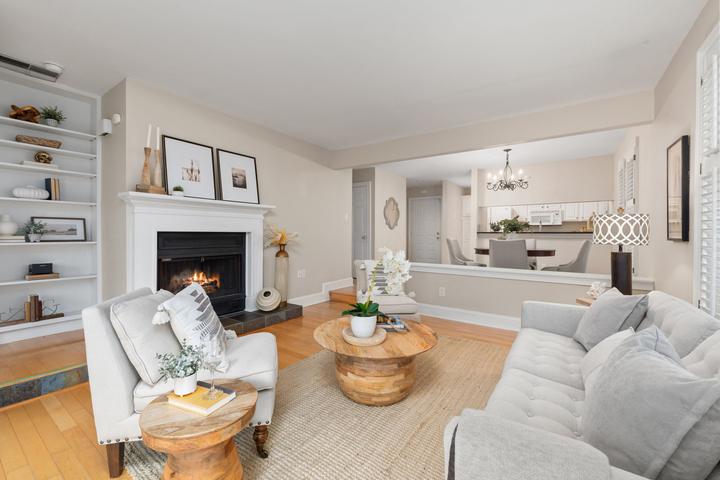
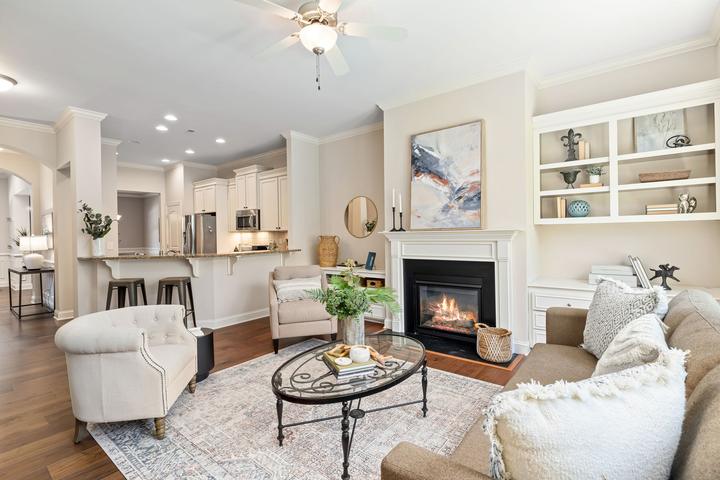
A fireplace chase is the framed enclosure around a factory-built fireplace and its chimney pipe. The Florida Building Code requires the fireplace and chimney to be listed and installed to their listings, with limits on offsets, an insulation shield and clearances set by the maker. Check these before a chase is closed or repaired.
What a chase is and why it is not a masonry chimney
A chase is a box of framing, sheathing and finish that rises from the fireplace through the roof. It is built to hide the fireplace and its pipe, and it is common on homes with a factory-built fireplace. Inside it there is no masonry flue. There is a manufactured metal chimney system, and that system, not the framing around it, is what carries the smoke.
That difference changes the rules. A masonry fireplace follows the masonry sections of chapter 10 of the Florida Building Code, Residential. A factory-built fireplace follows sections R1004 and R1005, which defer heavily to the maker's listing and instructions.
The fireplace must be listed and installed to its listing
Section R1004.1 says factory-built fireplaces shall be listed and labeled and installed in accordance with the conditions of the listing, and that they are tested to UL 127. In plain terms, the label on the unit decides what the chase around it has to look like, including its clearances and the parts that go with it.
That is why a chase cannot be framed from a general rule of thumb. The installation manual for that model is part of the code requirement, and it should still be kept with the house papers.
The chimney pipe in the chase
Section R1005.1 says factory-built chimneys shall be listed and labeled and installed and terminated according to the manufacturer's instructions. For a wood-burning appliance, section R1005.3 calls for a chimney that meets the Type HT requirements of UL 103 and is marked accordingly, with an exception for open fireplaces. Section R1005.4 says chimneys for factory-built fireplaces comply with UL 127.
Pipe sections from different systems are not interchangeable. Mixing them is a code problem and a fire problem, so a replacement section has to come from the same listed system.
Offsets, bends and the insulation shield
Section R1005.7 limits offsets. No part of a factory-built chimney may sit at an angle of more than 30 degrees from vertical, and the assembly may not include more than four elbows.
Section R1005.8 deals with insulation. Where the chimney passes through insulated assemblies, a steel insulation shield keeps the insulation away from the pipe, at no less than the clearance the chimney maker specifies. Where the chimney passes through an attic space, the shield stops at least 2 inches above the insulation and is secured so it cannot move. Insulation that has slumped against the pipe is a fire risk that you cannot see from the room.
Shrouds, doors and unvented heaters
Sections R1004.3 and R1005.2 say decorative shrouds are not installed at the top of a factory-built chimney unless the shroud is listed and labeled for that specific system and installed to the maker's instructions. A shroud bought for looks, and not for that system, does not meet the code.
Sections R1004.4 and R1004.5 add that an unvented gas log heater or a gasketed fireplace door may not be installed in a factory-built fireplace unless the fireplace has been tested and listed for it. If someone has added glass doors or a log set to a prefab unit, that is worth checking against the label.
Hearth extension and outside air
Section R1004.2 says the hearth extension of a factory-built fireplace is installed to the fireplace listing and must be readily distinguishable from the floor around it. Section R1006.1 says factory-built and masonry fireplaces are equipped with an exterior air supply unless the room is mechanically ventilated and controlled so the indoor pressure is neutral or positive.
For a listed factory-built fireplace, the combustion air duct is a listed component installed to the maker's instructions. For other fireplaces, section R1006.4 sets the air passageway at no less than 6 and no more than 55 square inches.
The top of the chase
Chimney cap
Factory-built chimney pipe
Chase cover
Chase siding
Roof
The top of a framed chimney chase with a factory-built flue, simplified and not to scale, with the chase siding picked out in colour.
The chimney pipe leaves the chase through a cap at the top, and the framing around it is closed by a cover, sometimes a pan, that sheds water off the top of the enclosure. Chapter 10 does not set a design for that cover, so we do not quote a code number for it. What it has to do is keep rain from reaching the framing and the pipe base, and a cover that is rusted, lifted or open at a corner is not doing it.
Our chase cover replacement page covers that job. Wood rot under a failed cover is the usual reason a chase has to be opened up. The related chimney chase repair page covers the framing.
What a homeowner can check
From the ground and from inside the house, you can look for the signs below without going on the roof.
A label with the maker and model on the fireplace, and a manual that matches it.
Water stains on the ceiling or wall near the chase, or on the chase siding.
A cover or cap at the top that looks bent, rusted or loose from the ground.
Rot or peeling paint on the lower chase siding.
Any shroud or door that was added after the fireplace was installed.
Getting a chase and its fireplace checked
A chase hides its faults until they are expensive. Sarasota Chimney Repair is a locally owned, family-run company with an experienced crew, Proudly American on every job. For a prefab fireplace see prefab fireplace repair. Ask for a free on-site inspection and a written estimate.
A chase cover is the metal or other cover that closes the top of the chase around the chimney pipe and sheds water off the framing. Chapter 10 of the Florida code does not give a design for it, so the maker's instructions and good water-shedding practice govern. A rusted or lifted cover lets water into the chase.
What is a fireplace chase pan?
A chase pan is a sheet metal pan at the top of the chase, set under or around the chimney pipe to keep water off the framing. Different installers use different details, and the Florida code chapter we read does not define one. If your chase top leaks, a technician should look at the pan and the pipe base.
Why is my fireplace on?
A gas or electric fireplace that comes on by itself is usually being told to, by a thermostat, a timer, a remote or a wall switch. Check those first and switch the unit off at the wall. If it keeps starting without a command, stop using it and have a technician check the controls.
Book Within 72 Hours of Your Free Inspection and Save 10%
Any service you book within 72 hours of your free inspection comes with 10% off. The written estimate is free either way.
Damaged firebox surfaces, or another change you have noticed.
Review the recommendation
Understand the proposed task, relevant materials and access.
Authorize the work
Agree on the price and the scope before the paid job begins.
Keep the work record
Retain the component details and any remaining recommendations.
Ready When Your Chimney Is
Call our family-run office in Sarasota for a free inspection, or send the short form and we will call back to set a time. We cover Sarasota and Venice in Sarasota County and Bradenton in Manatee County, and nowhere else.